Review: Father’s Day Quote Design for Embroidery
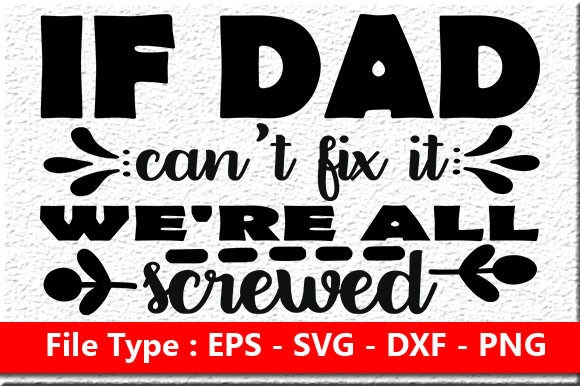
As a designer who spends half my life staring at digitized files and the other half watching needles punch through fabric, I have learned to be skeptical of quote-based designs. Text is notoriously difficult to translate from a screen to thread. When I first pulled up Father s Day Quote Design, if Dad Can t, my immediate reaction was cautious curiosity. The phrase "If dad can't fix it, we're all screwed" carries a specific weight—it is humorous, slightly edgy, and deeply relatable for a certain demographic of fathers. But does the visual execution hold up under the mechanical stress of an embroidery machine?
This review comes from the perspective of someone who needs to know if this asset will survive the jump from a digital folder to a finished product that a customer will wear, wash, and gift. We are not just looking at pretty pixels; we are evaluating a potential machine embroidery design for real-world application in a craft business or personal project.
First Impressions and Visual Personality
The mood of this design is casual and rugged. It does not try to be elegant or delicate. Instead, it leans into the stereotype of the handyman dad, which makes it perfect for specific niches. The layout appears straightforward, prioritizing readability over ornate flourishes. For an embroidery file, this is generally a good sign. Complex serifs and tiny decorative elements often turn into messy blobs of thread when stitched out on standard home machines.
What stands out is the potential versatility within the Crafts category. While the description mentions scrapbooking and digital clip art uses, my eye immediately goes to textile applications. The boldness of the statement suggests it would work well as a central focal point on a garment or accessory. It feels like a design that belongs on something durable, something that sees use. This is not a design for a delicate silk scarf; it is a design for a canvas tote or a heavy cotton sweatshirt.
Real-World Application: The Tote Bag Test
To truly evaluate Father s Day Quote Design, if Dad Can t, I imagined a specific scenario: creating a line of personalized gifts for a local boutique ahead of June. I pictured a sturdy, natural-colored canvas tote bag design. Canvas is forgiving, but it has a distinct texture. A design with poor stitch density or inadequate underlay would look sloppy here.
If I were stitching this onto a tote, I would be looking closely at the letter spacing. In embroidery, letters that are too close together can bridge with stray threads, making the text unreadable. Conversely, if the tracking is too wide, the phrase loses its punch. This design seems to strike a balance that favors clarity. For an Etsy seller or small shop owner, clarity is king. Customers buying a personalized gift want the message to be instantly recognizable. If they have to squint to read the joke, the value of the finished product drops significantly.
Beyond tote bags, this design screams for sweatshirt embroidery. Imagine a heather grey crewneck with this phrase stitched across the chest in a contrasting dark navy or black thread. The casual nature of the quote matches the casual nature of the garment. It also works surprisingly well for custom apparel like aprons. A barbecue apron with this quote is a classic gag gift that actually gets used. The humor lands because the context fits.
Navigating Technical Challenges
However, no design is without its pitfalls. When working with quote-based Graphics, you must consider the substrate. I would advise caution when using this on stretchy fabrics like performance tees or thin jersey knits. Without a high-quality cut-away stabilizer, the tension of the stitches could cause the fabric to pucker, distorting the letters. The phrase "we're all screwed" relies on precision; if the fabric warps, the joke is lost.
Another critical area is hoop size. While the exact dimensions are not specified in the brief, quote designs often require a medium to large hoop to maintain legibility. If you attempt to shrink this down for a small embroidered patch or a baby item, you risk losing the integrity of the smaller characters. Always check the recommended hoop size before purchasing. If the design includes tiny details or thin lines, they may not stitch out cleanly on a 4x4 inch hoop. For a baby embroidery project, such as a onesie, you might need to resize the design significantly, which could compromise the stroke width. Test on scrap fabric first.
Dark fabrics present another challenge. If you are stitching this onto a black cap or a navy polo, you need to ensure your thread colors have enough contrast. A dark grey thread on a black shirt will vanish. This design likely relies on a solid fill or a bold satin stitch outline to pop against the background. Consider using a lighter thread color or adding a white underlay if your digitizing software allows for adjustments, though this depends on whether you are buying a finished digital embroidery file or an editable source file.
Commercial Viability and Brand Consistency
For those running a craft business, the commercial appeal of this design is strong. Father’s Day is a massive sales period for handmade goods. This quote taps into a specific emotional niche: appreciation mixed with humor. It is not overly sentimental, which appeals to buyers who find traditional "Best Dad" gifts cliché. This can help differentiate your small shop product from the sea of generic offerings.
However, professionalism matters. Before listing this as a commercial embroidery item, verify the licensing terms. The description mentions EPS, SVG, PNG, and DXF files, which are typically vector or raster graphics used for cutting machines or printing. It is crucial to confirm if these files include actual embroidery formats (like PES, DST, or JEF) or if you are expected to digitize the vectors yourself. If you are digitizing it yourself, pay attention to stitch density. Too dense, and the fabric becomes stiff; too sparse, and the backing shows through. A well-digitized applique design or filled text design should feel soft to the touch after washing.
Practical Designer Notes
Before you commit to a full production run, follow these steps:
- Test on Scrap Fabric: Never stitch a new design directly on your final garment. Use a similar fabric weight and type to check for puckering or thread breaks.
- Check Thread Contrast: View your design in black and white mockups to ensure the shape holds up without color reliance. This helps in choosing the right thread colors for various fabric backgrounds.
- Inspect Small Details: Zoom in on the punctuation and apostrophes. In embroidery, tiny dots can get lost. Ensure they are large enough to be caught by the needle.
- Verify File Formats: The package includes EPS, SVG, PNG, and DXF. If you are an embroiderer, ensure you have the correct conversion tools or that the vendor provides native embroidery files. If you are using these for printable mockup previews for your Etsy store, the PNGs will be invaluable for creating clean product images.
- Consider the Audience: This design fits best with holiday embroidery themes that are lighthearted. It may not suit a formal brand aesthetic, so ensure it aligns with your shop’s overall vibe.
In conclusion, Father s Day Quote Design, if Dad Can t is a promising asset for makers who understand their materials. It offers a blend of humor and utility that resonates with the target market. By paying attention to stabilizer choice, fabric texture, and stitch quality, you can turn this digital asset into a high-value handmade product that customers will cherish. Whether it ends up on a rugged tote bag design or a cozy sweatshirt embroidery piece, the key is in the execution. Treat the file with the technical respect it requires, and it will serve your embroidery project well.