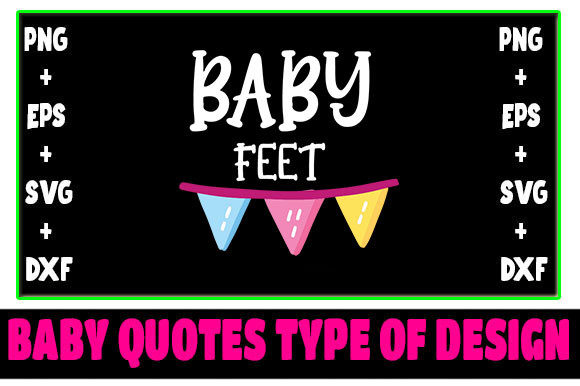
Baby Feet Quote: A Designer’s Review for Embroidery
As an embroidery designer who has spent countless hours digitizing and testing files, I approach every new machine embroidery design with a critical eye. It is not just about whether the image looks cute on a screen; it is about how those lines translate into thread, how the tension holds up on fabric, and whether the final finished product meets the high standards of a professional craft business. Recently, I evaluated the Baby Feet Quote, a piece that sits at the intersection of sentimental value and commercial viability. This review breaks down its potential for real-world application, moving beyond basic aesthetics to practical stitching advice.
First Impressions and Visual Personality
The first thing that strikes you about Baby Feet Quote is its inherent warmth. The layout balances delicate imagery with readable typography, creating a mood that is both tender and celebratory. For those of us in the Crafts industry, understanding the emotional resonance of a design is half the battle. This piece does not scream for attention; instead, it invites a closer look. The visual personality suggests softness, making it an ideal candidate for items associated with new life, such as nursery decor or infant apparel.
However, from a technical standpoint, the interplay between the graphic elements and the text requires careful consideration. The quote element must remain legible after stitching, which means the original Graphics need to be robust enough to handle the conversion from pixel to stitch. In my initial assessment, the spacing appears generous enough to prevent thread crowding, a common pitfall in quote-based designs where letters merge into an illegible blob.
Real-World Application: The Tote Bag Test
To truly understand the utility of this design, I imagined a specific scenario: a custom order for a new mother’s gift set. The client wanted a sturdy canvas tote bag design that could double as a diaper bag accessory. This is where Baby Feet Quote shines. Canvas provides a stable base, allowing the stitches to sit flat without sinking into the weave.
In this context, the design acts as a focal point. I visualized using a classic satin stitch for the text to ensure sharp edges, while employing a fill stitch for the baby feet graphics to add texture and depth. The contrast between the smooth text and the textured graphic creates visual interest. For an Etsy seller, this kind of thoughtful execution translates directly into higher perceived value. Customers are not just buying a bag; they are buying a personalized keepsake that feels professionally crafted.
Versatility Across Product Lines
Beyond tote bags, the versatility of this embroidery file is notable. It adapts well to various custom apparel items. Imagine it stitched onto a soft cotton onesie for a baby embroidery project. Here, the scale becomes crucial. The design must be resized carefully to fit the small chest area without losing detail. Alternatively, consider a cozy fleece sweatshirt. The sweatshirt embroidery market is huge, and this design fits the aesthetic perfectly—simple, sweet, and meaningful.
For those selling digital embroidery file assets, offering this design in multiple formats is key. The product description notes that PNG files with transparent backgrounds are available, along with EPS. This is significant for hybrid creators who might want to use the graphic for print-on-demand mugs or invitations before committing to stitching. It allows a small shop product line to remain consistent across different mediums, strengthening brand identity.
Technical Considerations and Stitching Challenges
While the design is appealing, practical embroidery work demands we address potential pitfalls. Not every fabric behaves the same way. When working with stretchy fabrics like jersey knits, stabilization is non-negotiable. Without a proper cut-away stabilizer, the stitch density of the quote could cause puckering, distorting the text and ruining the clean lines of the baby feet.
Another concern is the size of the hoop. If you are attempting to place this on a curved surface, such as a cap, you must ensure the design fits within the usable area of your cap frame. Detailed corners in lettering can sometimes pull or break if the needle penetration is too dense. I recommend running a test stitch on scrap fabric of the same weight and type as your final project. This step saves time and materials in the long run.
Color choice also plays a pivotal role. On dark fabrics, light thread colors will pop, but you must ensure the underlying fabric does not show through gaps in the stitching. Conversely, on white linen, subtle pastels might get lost if the stitch count is too low. Always check your design in black and white mockups to verify contrast and clarity before threading the machine.
Commercial Viability and Licensing
For commercial embroidery professionals, licensing is a critical factor. Before selling finished items or digital products featuring Baby Feet Quote, you must confirm the license terms. Does the purchase allow for unlimited physical sales? Can you use the graphic for printed goods like the mentioned mugs and cards? These details define whether this asset is a viable addition to your design assets library. Always read the fine print to protect your business.
Moreover, the availability of vector formats like EPS suggests that this design can be scaled infinitely for large-format printing or laser cutting, adding another revenue stream for creative entrepreneurs. However, for embroidery specifically, always rely on the dedicated embroidery file formats to ensure proper stitch placement and sequence.
Enhancing Customer Trust and Brand Consistency
Using high-quality designs like Baby Feet Quote contributes to building customer trust. When a buyer receives a personalized gift that is neatly stitched, with no loose threads or distorted shapes, they associate that quality with your brand. This leads to repeat business and positive reviews. In the competitive world of handmade goods, professionalism is your strongest marketing tool.
The design also supports brand consistency. If your shop specializes in nursery items, having a cohesive look across your embroidered patch collections, blankets, and wall hangings creates a recognizable style. This design fits seamlessly into such a collection, offering a unified aesthetic that customers can rely on.
Final Verdict for Makers and Designers
In conclusion, Baby Feet Quote is a strong contender for any designer looking to expand their repertoire of sentimental, family-oriented designs. It offers a balance of emotional appeal and technical feasibility, provided you pay attention to fabric choice, stabilization, and stitch parameters. Whether you are creating a holiday embroidery gift for a niece or stocking your online store with best-selling baby items, this design holds up under scrutiny.
Remember to test thoroughly, respect the limitations of your machine and materials, and always prioritize the end-user experience. By treating each embroidery project with care and professional judgment, you transform simple threads into cherished memories. This design is not just a graphic; it is a tool for connection, ready to be brought to life through your skill and creativity.