Reviewing the Hot Chocolate Served Here SVG for Embroidery
As a designer who spends half my life digitizing files and the other half stitching them out, I have learned to look past the glossy mockups. We all know that what looks crisp on a screen does not always translate cleanly to fabric. When I first encountered the Hot Chocolate Served Here Svg Design, my initial reaction was one of cautious optimism. It is marketed primarily as a digital download for cutting machines like Cricut, Cameo, or Silhouette, intended for print, posters, and t-shirts. However, in the world of Crafts and Graphics, lines are often blurred. A well-structured vector can serve multiple purposes if you know how to handle it.
The Visual Personality and First Impressions
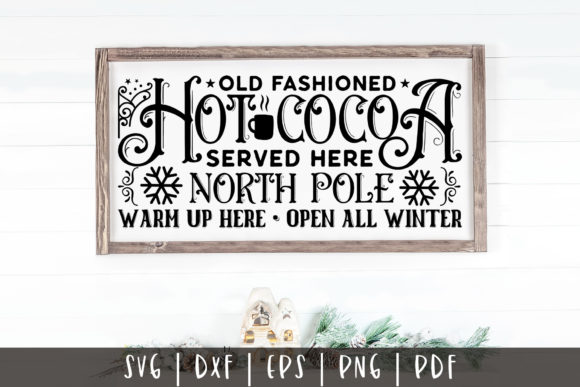
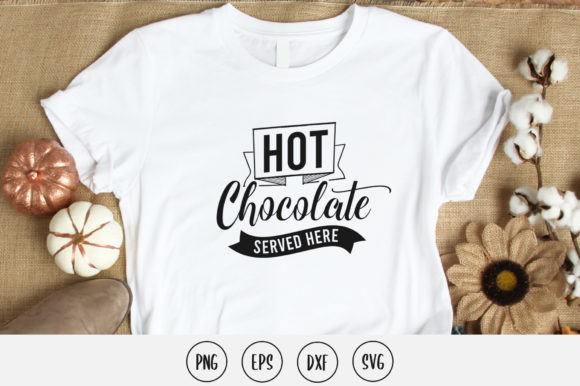
The design carries a warm, inviting mood that immediately suggests comfort. The lettering style is bold enough to be legible but retains a hand-drawn charm that prevents it from feeling too corporate or sterile. For an embroidery project, this is crucial. Overly rigid fonts often look stiff when stitched, whereas this layout has a natural flow. The theme is unmistakably seasonal and cozy, making it a strong candidate for holiday embroidery or winter-themed collections.
When evaluating any machine embroidery design source, I look at the negative space. In this case, the spacing between the letters appears generous. This is a good sign for stitchers because it means we are less likely to run into issues with thread bunching or fabric distortion. The visual personality is friendly and approachable, which aligns perfectly with products meant to evoke warmth, such as kitchen towels or personalized gifts.
Real-World Application: The Tote Bag Test
To truly understand the value of this asset, I imagined applying it to a real-life scenario. Picture a heavy canvas tote bag, the kind customers buy at local craft fairs or boutique shops. Using the Hot Chocolate Served Here Svg Design here requires a shift in thinking. Since this is originally a cut file, you cannot simply send it to your embroidery machine. You must first digitize it or use it as a template for applique.
If I were creating a custom apparel line for a coffee shop or a winter market, I would use this design as the basis for an applique design. By cutting felt or fleece in the shape of the letters and then stitching around the edges with a satin stitch, you preserve the integrity of the original vector while adding texture. This approach works beautifully on a sweatshirt embroidery project where dense fill stitches might feel too heavy or scratchy against the skin. The result is a professional-looking finished product that feels high-quality and durable.
Navigating Fabric and Stitch Challenges
While the design is versatile, it is not without its pitfalls. If you plan to convert this SVG into a standard embroidered logo using fill stitches, you must pay close attention to stitch density. Small hoop sizes can be tricky. If you attempt to shrink the design too much for a baby embroidery project, such as a onesie or a small hat, the tiny details in the lettering may get lost. The curves in the "H" and "S" need enough room to breathe. On curved surfaces like caps, distortion is a real risk. I recommend testing the design on scrap fabric first to ensure the text remains readable after the hoop tension is released.
Textured fabrics also present a challenge. If you are stitching onto a thick, looped towel or a fuzzy fleece blanket, the finer parts of the design might sink into the pile. In these cases, using a contrasting underlay or opting for a thicker thread can help the design pop. Conversely, on thin or stretchy fabric, you must use a proper stabilizer. Without it, the pull of the thread could warp the garment, ruining the clean lines that make this design appealing.
Commercial Viability for Etsy Sellers and Makers
For the Etsy seller or small shop owner, this design offers significant potential. The demand for cozy, seasonal items spikes every autumn and winter. A tote bag design featuring this quote could become a bestseller if presented correctly. However, commercial embroidery requires more than just a pretty picture. It requires consistency and reliability.
Buyers engage with products that look professional. If the stitching is messy or the design is poorly scaled, customer trust erodes quickly. By taking the time to adjust the thread colors and test different backgrounds, you elevate the perceived value of the item. Imagine a dark navy mug rug or a cream-colored apron. The contrast matters. I advise running black and white mockups to check the silhouette of the design before committing to expensive threads. This simple step ensures that the design holds its shape and clarity regardless of the color palette you choose.
Practical Designer Notes for Best Results
Before you rush to list this as a new item in your store, consider these practical steps. First, confirm the licensing. The product description states it is a digital download file for printable machines. It does not explicitly grant rights for commercial embroidery sales. Always verify whether you need an extended license to sell finished items or if the design is for personal use only. Ignoring this can lead to serious legal issues for your craft business.
- Test on Scrap: Never stitch directly on your final garment. Use a similar fabric weight and type to check for puckering.
- Check Contrast: Ensure the thread color stands out against the fabric texture. Low contrast can make the text hard to read from a distance.
- Hoop Size Matters: Confirm that your chosen hoop size accommodates the full width of the phrase without crowding the edges.
- Stabilizer Selection: Use cut-away stabilizer for stretchy fabrics like t-shirts and tear-away for stable woven fabrics like cotton tote bags.
- Digitizing Quality: If converting from SVG, ensure your digitizing software creates smooth paths. Jagged edges in the file will result in jagged stitches.
Final Verdict on Design Assets
The Hot Chocolate Served Here Svg Design is a charming addition to any library of design assets. Its strength lies in its simplicity and emotional resonance. It is not overly complex, which makes it accessible for hobbyists, yet it has enough character to satisfy discerning customers looking for unique handmade products. Whether you are creating an embroidered patch for a jacket or a festive pillow cover for home decor, this design fits naturally.
Remember, the key to success is not just the file itself, but how you adapt it. Treat it as a starting point. Adjust the scale, choose your materials wisely, and respect the limitations of your machine. When done correctly, this design can enhance your brand consistency and boost buyer engagement during the busy holiday season. It is a solid choice for those willing to put in the extra effort to translate a cut file into a stunning textile reality.